Guides, tips, and expert advice on protecting your vision and maintaining optimal eye health for the long term.

Uveitis is inflammation of the uvea — the middle layer of the eye that lies between the white outer wall (sclera) and the retina, and includes the iris, ciliary body, and choroid. Because the uvea carries much of the eye’s blood supply, uveitis can be serious: if left untreated, it can lead to permanent vision…

Myopia, commonly known as nearsightedness, is a refractive error that makes it difficult to see objects clearly at a distance. Children today are developing it at alarming rates. In this article we look at the most common questions about childhood myopia, along with its causes, treatments, and prevention. Why do children get myopia? Myopia is…

Collagen is a protein found in many parts of the body, including the skin, bones, tendons, and cartilage. It is the most abundant protein in the human body and is responsible for maintaining the structural integrity of these tissues. Collagen is made up of amino acids, including glycine, proline, and hydroxyproline, which are essential for…

Papilledema is a medical condition in which the optic nerve head (or optic disc) is swollen due to increased pressure within the skull. It is a serious sign of an underlying medical problem and can lead to permanent vision loss, depending on the severity and if it is not treated promptly. A fundus examination reveals…

Amblyopia, commonly known as “lazy eye,” is a condition in which one eye has reduced vision that cannot be fully corrected with glasses or contact lenses alone. It is one of the most common vision problems in children and occurs when the brain fails to develop normal vision in one eye during early childhood. What…

Fake eyelashes have become a popular cosmetic accessory for enhancing the look of your lashes. However, when they are not used properly, they can harm the eyes and the meibomian glands. In this article, we look at how fake eyelashes can affect your eyes and offer advice on how to avoid these risks. The effect…

Chronic diabetes impairs the body’s ability to make or use insulin, the hormone that controls blood sugar levels. Over time, high blood sugar can lead to serious health problems, including damage to the eyes. Below is a closer look at how diabetes can affect your vision. Diabetic Retinopathy This is the most common diabetic eye…

Patient education is sometimes undervalued, but it is one of the most important parts of good health care. In most cases, a patient’s outcome depends on successful communication with the doctor. That is why we make it a priority to communicate clearly with every patient. Good communication prepares patients to understand the symptoms they are…

Scuba diving is one of the most rewarding ways to explore the underwater world, and Roatan’s reefs are among the best places to do it. But for anyone who wears eyeglasses or contact lenses, diving can present a real challenge: standard dive masks are not designed to hold corrective lenses, which makes it hard to…

Barotrauma is a type of injury that occurs when there is a difference in pressure between the inside of a body cavity and the outside environment. It can affect various parts of the body, including the ears, sinuses, lungs, and eyes, and is most commonly associated with activities such as diving, flying, and caisson work.…

Scuba diving in Roatan is unforgettable, but the underwater environment puts unique demands on your eyes. Whether you are a seasoned diver or trying it for the first time, a few simple precautions will help keep your vision safe and your dives comfortable. Wear appropriate eye protection Use a well-fitting dive mask to shield your…

The future of ophthalmology looks very promising, with new technologies and treatments aimed at improving how we diagnose and treat eye diseases. Here are some of the most exciting areas of progress. Artificial intelligence Artificial intelligence (AI) is being used to analyze large amounts of data from images and medical records to assist in diagnosing…

High blood pressure (hypertension) is a condition in which the force of blood against the artery walls stays too high over time. Left untreated, it can lead to serious health problems, including heart disease, stroke, kidney failure, vision problems, and even death. Hypertensive retinopathy is damage to the blood vessels of the retina caused by…

The thyroid is a small, butterfly-shaped gland in the front of your neck, and it is essential for your metabolism to work properly. Thyroid hormones control the way your body uses energy, so they affect nearly every organ in your body, even the way your heart beats. The gland mainly produces two hormones: triiodothyronine (T3)…

We are a proud Honduran family eye clinic serving the island communities and their eye care needs. We offer a full range of eye health services to patients of all ages, from children to older adults. Our services cover the prevention, examination, diagnosis, treatment and management of conditions and diseases of the eye and its…

If you have nearsightedness (myopia), farsightedness (hyperopia), astigmatism, or presbyopia and are considering correcting and improving your vision with refractive surgery, this article is for you. To review the basics first, see our guide to refractive errors. Prior to any refractive surgery, numerous tests are performed on your eyes to determine the amount of correction…

Conjunctival chemosis is swelling of the conjunctiva, the clear mucous membrane that covers the white part of the eye. It often looks like a fluid-filled blister on the surface of the eye and can be very bothersome, especially when the swelling is so pronounced that the person cannot fully close the eye. Although its appearance…

The movement of our eyes is controlled by six extraocular muscles that work as a team: four straight (rectus) muscles and two oblique muscles. They originate in the walls of the orbit and are inserted into the sclera. They are innervated by the third, fourth and sixth cranial nerves, and all of these muscles are…

Corneal neovascularization is a vision-threatening condition in which delicate blood vessels grow into the normally avascular cornea (the cornea has no blood vessels of its own). These vessels can extend from the limbus into the superficial or deep areas of the cornea, compromising its transparency. It can be caused by inflammation related to infection, chemical…

This article is not sponsored in any way. Before deciding which type of lens to use, it is worth taking some time to research the advancements in different contact lens technologies and understand how they can benefit you as a consumer and wearer. If you are new to the topic, we recommend first reading our…

A corneal ulcer is an infection and inflammation of the cornea (the first lens of the eye), which commonly develops from trauma or the improper use of contact lenses. Inflammations of the cornea are very painful and put a person’s vision at risk, so they require prompt eye care. What is the cornea? The cornea…

Palpebral pediculosis and phthiriasis are an infestation of the eyelashes and eyelids caused by pubic lice. Its transmission is usually linked to poor hygiene conditions and, in many cases, to sexual contact. What do these lice look like? Lice have a small, square head with antennae and two eyes. They have denticles that let them…

The retina is a thin, transparent, and delicate sensory membrane located at the back of the eye. It is formed by an expansion of the optic nerve. The retina detects light and converts it into signals that are sent to the optic nerve through nerve impulses, propagated by a sensitive bioelectric current. The retina is…

The iris is the colored, circular tissue of the eye. It sits behind the cornea and in front of the crystalline lens, and its main function is to regulate the amount of light that enters the eye, much like the diaphragm of a camera. To maintain good vision it is essential to preserve the integrity…

Age-related macular degeneration (AMD) is an eye condition that, over time, destroys central vision. It is common in people over 60 years of age. The macula is the part of the retina that helps us see fine details and provides clear vision both day and night. Types of macular degeneration There are two types of…

These procedures are performed every two months at our eye clinic in Brick Bay, Roatan, with the aim of improving patients’ visual and ocular health. Places are limited. A cataract is the clouding of the eye’s inner lens. The surgery consists of removing that lens and replacing it with an intraocular implant. Phacoemulsification is a…

Eyelid edema is the accumulation of fluid in the internal tissues of the eyelids. In many cases it becomes so intense that it closes the eyelids and makes them difficult to open. Causes of eyelid edema It may be associated with conditions of the eyelids and adjacent areas, such as styes, dacryocystitis, and sinus complications,…

Eyelid coloboma is a rare congenital malformation of the edge of the eyelids that develops during embryogenesis. It is characterized by a triangular notch in the eyelid margin, with an absence of eyelashes and glands in that area. Key characteristics It is more common in the upper eyelid. It is generally unilateral (affecting only one…

Ocular toxoplasmosis is an infection of the inner part of the eyes caused by a parasite called Toxoplasma gondii. It is the most common cause of uveitis, an inflammation of the uvea, the layer that supplies blood to the iris and retina. About 500 million people are infected with this parasite. The infection can be…

A subconjunctival hemorrhage occurs when a small blood vessel breaks between the white part of the eye (the sclera) and the conjunctiva, the transparent membrane that covers it. The blood becomes trapped in that space and appears as a bright red patch over the white of the eye. Although its appearance can be very striking…

Keratoconus is a degenerative disease of the cornea that occurs when the surface of this lens thins and bulges into a cone shape, causing a progressive deterioration of vision. The cornea is the first transparent lens of the eye. It is located on the outside of the eye and is responsible for refracting light rays…

A healthy diet has a positive impact on your whole body, and your eyes are no exception. It is not about dieting; the goal is to lead a healthy lifestyle. Eating well will help you preserve good vision and maintain the health of your eyes. In this article we share the nutrient-dense foods that most…

Contact lenses are thin, transparent, disc-shaped plastic lenses that sit over the eye’s tear film and are used to improve vision. They are considered useful and beneficial medical devices to correct refractive errors (myopia, hyperopia, astigmatism, and presbyopia). They are not fashion accessories. Types of contact lenses Rigid gas permeable: allow a better flow of…

We are the first permanent eye clinic in Roatan, providing eye care to all of the Bay Islands and surrounding communities with the highest standards of integrity, professionalism and state-of-the-art equipment. Comprehensive care, close to home We provide comprehensive ophthalmologic and optometric care, and we are committed to improving and preserving your sight. From routine…

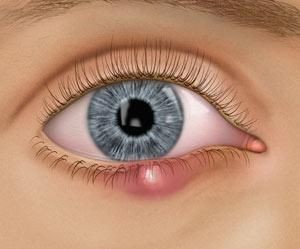
A chalazion is a lump in the eyelid that develops due to inflammation and infection caused by a blockage of the meibomian glands. Chalazia are recurrent and can appear at any age. Symptoms of a chalazion These lumps in the eyelids can cause pain, redness, swelling, and purulent discharge in different areas of the eyelid.…

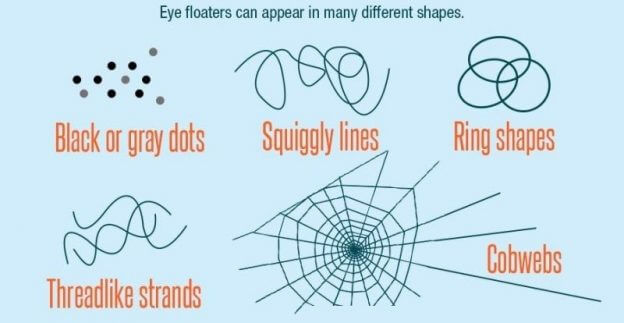
The vitreous body is the inner, jelly-like part of the eye. It is composed of 98% water and macromolecules of collagen and hyaluronic acid. Floaters appear suddenly and are caused by molecular changes inside the eye, which occur mainly due to age. They are a visual phenomenon caused by opacities that produce shadows with dark…

Stress is a negative body reaction or feeling of tension that can be emotional or physical. It usually comes from negative thoughts or experiences. Over time, stress can harm a person’s health, especially if the main stressor is never identified. Stress can be good in small amounts and for a short duration. For example, it…

Blepharitis is inflammation of the eyelids caused by a buildup of bacteria along the edges of the eyelids. It is common in people with oily skin or dandruff. Symptoms of blepharitis The most common symptoms are: swelling, redness, burning, pain, itching, and crusting of the eyelashes. Some people also feel a gritty or foreign-body sensation…

The eyes are very important and delicate organs that need specialized care from an ophthalmologist, especially when surgery is involved. We are the only eye clinic that offers permanent ophthalmology services in Roatan. Dr. Ricardo R. Reichmann is the only ophthalmic surgeon on the island and has more than 30 years of experience. He specializes…

Diabetic retinopathy is a condition that occurs in the eyes of people who have had diabetes for a long time, especially when their blood glucose (sugar) levels are not well controlled. Diabetic retinopathy causes internal bleeding in the eye because of the damage that diabetes does to the blood vessels of the retina. The retina…

After the age of 65, your chances of developing vision problems or eye disease increase: about 40% of older adults have some kind of vision problem. Knowing about them early is the best way to protect your sight. Of the five senses, vision is one of the most important, since almost everything we experience and…

The eyes are constantly exposed to the open air. Our eyelids and eyelashes protect us from particles that can fall in, and when it is windy and dusty we squint to keep debris out. Even so, sometimes these particles reach the surface of the eye and can injure it. People who work in maintenance, cleaning,…

Conjunctivitis, commonly known as pink eye, is the inflammation of the conjunctiva, the thin transparent membrane that covers the white part of the eye (the sclera) and the inner surface of the eyelids. When the conjunctiva becomes irritated, its blood vessels dilate and the eye takes on that characteristic red appearance. The inflammation can be…

Humans are not born with good vision, but with the ability to develop it. A newborn baby only perceives shapes, lights, movements, and shadows; over time, the visual system gradually matures. As children, we are very curious, discovering the fantastic world in which we live. We look at our surroundings, focus our attention on bright…

Glaucoma is a group of eye conditions that gradually damage the optic nerve and, with it, your vision. In most cases it develops without any noticeable symptoms, so many people do not realize they have it until significant vision has already been lost. Glaucoma has no cure, and the vision loss it causes is irreversible.…

Type 2 diabetes is a metabolic disease that occurs when the level of sugar (glucose) in the blood stays too high. It happens because the pancreas stops producing enough insulin and the cells no longer use glucose properly, so the sugar builds up in the blood. For humans, glucose is the main source of energy…

Cataracts are one of the leading causes of chronic blindness in the world, most often affecting older adults. A cataract occurs when the eye’s natural internal lens (the crystalline lens) becomes progressively cloudy, blocking light from reaching the back of the eye and reducing vision. Many people describe it as looking through a foggy or…
FACO (phacoemulsification) cataract surgery is the most modern, safe, and effective technique to remove a cataract through a tiny, suture-free micro-incision. We use a phacoemulsifier, whose ultrasonic probe breaks up the cataract so a permanent, highly biocompatible, top-quality intraocular lens can be inserted. Its optical power is calculated before surgery through specific tests called biometry…
A pterygium is an abnormal growth of tissue that appears in the corner of the eye and, over time, can invade the cornea. It is a common and usually benign condition, but it can be uncomfortable and cause vision problems if left untreated. It develops from a degeneration of the conjunctiva, the mucous membrane that…
Central serous chorioretinopathy (CSCR) is a disease that affects vision due to a buildup of fluid under the retina, specifically in the central region of the macula. The fluid leaks from a layer of tissue located beneath the retina, called the choroid. It can develop gradually or suddenly, in one or both eyes. In chronic…
The eyes are a true extension of the brain: they are the main sensory organ we use to receive information from the outside world. They are connected to the brain by nerves and are able to capture light and transform it into electrical impulses that the brain processes to create the images we see. How…
Taking care of your eyes is important anywhere, but when you live on a Caribbean island like Roatán, there are additional factors that make eye protection even more necessary. These are the main reasons to pay attention to your eye health. Factors that affect your eyes in the Caribbean Sun exposure: Caribbean islands receive a…
The macula is a small, yellowish area about 5 mm in diameter, located in the central part of the retina. It is the most important part of the retina: it allows us to distinguish fine details, perceive colors and movement, recognize faces and read without difficulty. The remaining 95% of the retina is responsible for…
When we are born, our vision goes through many changes and, over time, the visual system gradually develops. During the first days of life we can only distinguish shadows and we are very sensitive to light. Central vision is poor and peripheral vision is of better quality, because the retinas are still developing. When the…
We are your best choice for comprehensive eye care: a personalized, high-quality service backed by more than 25 years of experience. Our facility is modern and equipped with the latest optical-ophthalmic technology. We perform complete exams of the eye’s biorefractive vision mechanism, carried out by a Doctor of Optics and Optometry with a master’s degree…
Eyeglass lenses adapt to each person’s lifestyle. Choosing the right type makes a big difference in your daily visual comfort. Below we explain the differences between monofocal, bifocal and progressive lenses. Monofocal lenses Monofocal lenses have the same prescription across their entire surface. They can correct any refractive error or ametropia, such as myopia, hyperopia,…